

Turn up for testing.Turn up for treatment.Turn up for each other.
Video Stories





The Plan
No matter if you're boo'd up, in a situationship, or flying solo, knowing your HIV status, staying informed about PrEP, and understanding U=U are game changers that can put an end to HIV for good.
Test Regularly
Know your status. Regular HIV testing is the foundation of staying healthy. Most tests show results in minutes to days, and knowing where you stand empowers you to make informed decisions about your health.
Explore PrEP
PrEP (Pre-Exposure Prophylaxis) is a powerful prevention tool. If taken as prescribed, PrEP can reduce the risk of getting HIV from sex by more than 99%. It's available and affordable through multiple resources in our community.
Embrace U=U
Undetectable = Untransmittable. When someone living with HIV has an undetectable viral load through treatment, they cannot sexually transmit HIV. This is powerful and real—thanks to modern medicine, HIV is treatable and manageable.


Campaigns









FAQs
The CDC recommends that everyone between ages 13 and 64 get tested for HIV at least once. If you're sexually active or have risk factors, you should get tested more frequently—at least annually, and every 3-6 months if you have multiple partners or inconsistent condom use.
Most rapid HIV tests show results in 15-20 minutes. Some tests like OraQuick can show results in as little as 20 minutes. Laboratory-based tests may take a few days to a week. Home tests show results in minutes.
Rapid tests use oral fluid or finger-stick blood and provide results in 15-20 minutes. Blood tests (from a vein) are sent to a laboratory and take longer but can detect HIV earlier after exposure. Both are highly accurate.
You can get tested at health clinics, hospitals, Planned Parenthood, independent testing sites, and many can now order free at-home tests. Check the Resources section below for specific organizations in our community.
PrEP (Pre-Exposure Prophylaxis) is a medication taken by HIV-negative people to prevent HIV infection. When taken as prescribed, it reduces the risk of sexual transmission by more than 99%.
PrEP is recommended for anyone who is HIV-negative and has risk factors including: multiple partners, inconsistent condom use, partner with HIV, history of STIs, or injection drug use. Talk to your healthcare provider about whether PrEP is right for you.
When taken as prescribed (daily), PrEP is more than 99% effective at preventing HIV from sex. Even with inconsistent use, it's 86-96% effective at preventing transmission. For injection drug use, effectiveness ranges from 49-74%.
Most people tolerate PrEP well. Some may experience nausea, diarrhea, headaches, or fatigue in the first few weeks, which usually improve. Most side effects are mild and temporary. Regular monitoring with your provider ensures the medication is working well for you.
With insurance, PrEP typically costs $0-50 per month. Without insurance, it can be $1,000+ per month, but Gilead's Medication Assistance Program offers free medication to those who qualify. Many local clinics also help with cost.
No. You take PrEP when you need it based on your risk level. Some people take it daily, others use it event-based (around sexual activity). Work with your provider to determine the best strategy for you.
PrEP only prevents HIV. You still need to use condoms to protect against other STIs like gonorrhea, chlamydia, syphilis, and mpox. Regular STI testing is important if you're sexually active.
U=U stands for "Undetectable = Untransmittable." When a person living with HIV is on treatment that brings their viral load to undetectable levels (fewer than 50 copies/mL), they cannot sexually transmit HIV to partners, even during unprotected sex.
By taking antiretroviral therapy (ART) medications as prescribed. Most people on modern HIV treatment can achieve undetectable status within 6 months. Regular viral load testing confirms when someone reaches and maintains undetectable status.
Yes. U=U is based on rigorous scientific evidence from large studies including PARTNER and PARTNER2. These studies followed thousands of serodiscordant couples (one HIV+ and one HIV-) over years with zero transmissions when the HIV+ partner was undetectable.
U=U applies to vaginal and anal sex. While studies on oral sex are limited, the undetectable viral load is present throughout bodily fluids, so transmission risk is essentially eliminated. This is especially important for reducing stigma in relationships.
When a pregnant person living with HIV is undetectable, the risk of transmitting HIV to their baby is less than 1%. With proper prenatal care and treatment, most HIV+ pregnant people deliver HIV-negative babies.
Syphilis is a bacterial infection caused by Treponema pallidum. It's spread through sexual contact and can progress through stages if untreated. It's curable with antibiotics, especially penicillin.
Early signs include a painless sore (chancre) at the infection site, swollen lymph nodes, rash, fever, and body aches. Later stages can affect the heart, brain, and nerves. Some people have no symptoms, which is why testing is important.
Syphilis is tested via blood test. It's treated with antibiotics, usually penicillin injections. Early treatment is highly effective and prevents progression to later stages. Treatment cures the infection but doesn't erase previous damage.
Yes, you can reinfect with syphilis even after treatment. Treatment doesn't create immunity. Condom use and partner notification/treatment help prevent reinfection. If you've had syphilis, continue regular testing.
Syphilis rates have been increasing nationally and locally due to various factors including reduced access to testing and treatment during the pandemic, dating app use increasing partner networks, and reduced condom use. Early detection through testing is critical.
HIV stigma is negative attitudes, beliefs, and discrimination toward people living with HIV. It can come from healthcare providers, family, friends, workplaces, or society. Stigma prevents people from getting tested, disclosing their status, and seeking treatment.
Educate yourself, listen without judgment, respect their privacy, advocate for their rights, and treat them with the same respect you show everyone else. People living with HIV deserve dignity, support, and access to care. Your acceptance matters.


Resources & Services
FREE AT-HOME HIV TESTS
Order free tests at ohiv.org/free-test-kit
Order Now →All Resources (Alphabetical)


Events & News
HIV testing at the Greater Cleveland Food Bank
9 AM – 12 PMBlack History Month
National Black HIV/AIDS Awareness Day
National Condom Week
Community Advisory Group – Care Subcommittee Meeting
3 PM – 5 PMHIV testing at the Greater Cleveland Food Bank
11 AM – 2 PMHIV Is Not A Crime Awareness Day
The Cuyahoga County government website contains information on cold weather safety, resident resources, and cold weather emergencies. Click the link below to find them all, including an interactive map of Warming Centers in Cuyahoga County.
Stories from the Community
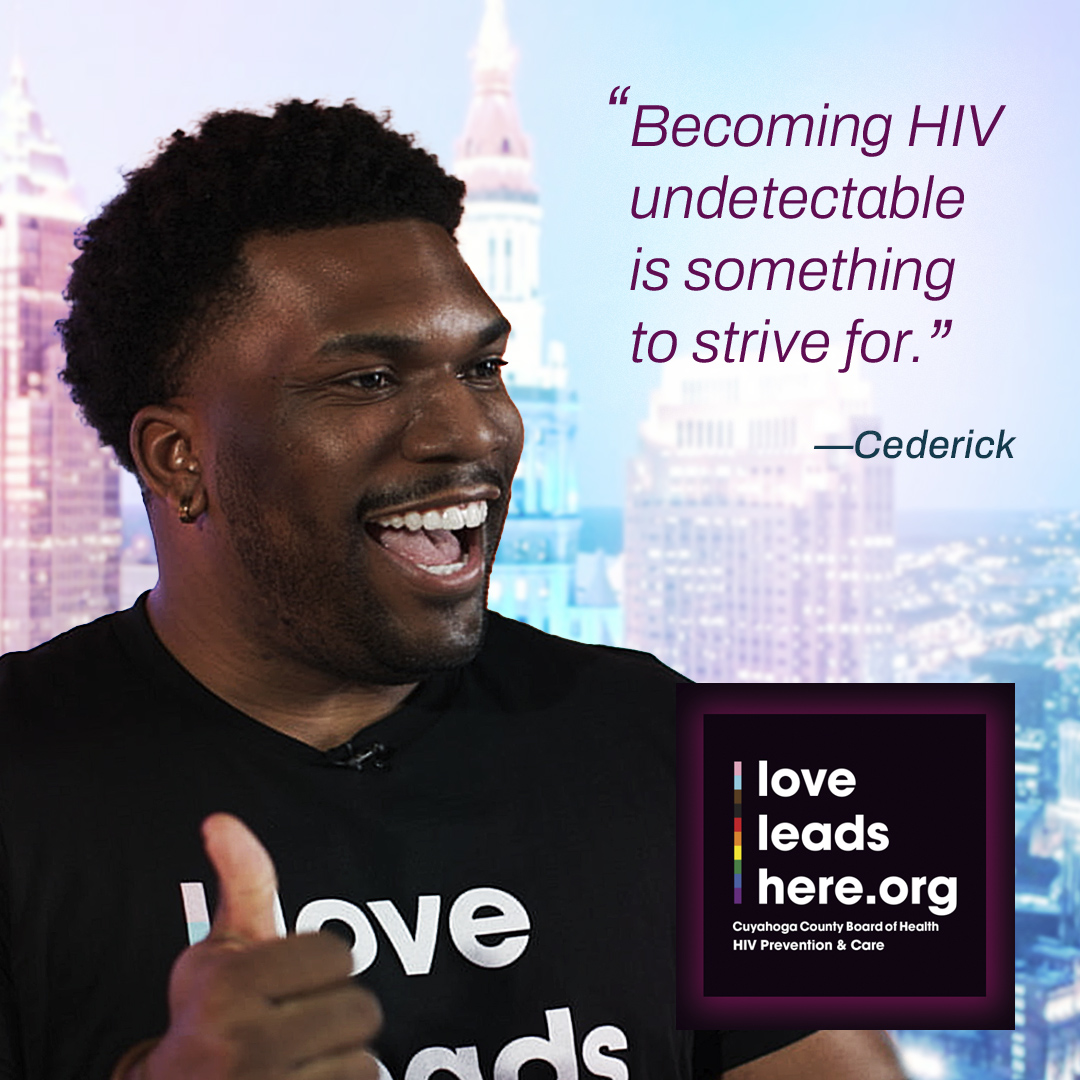
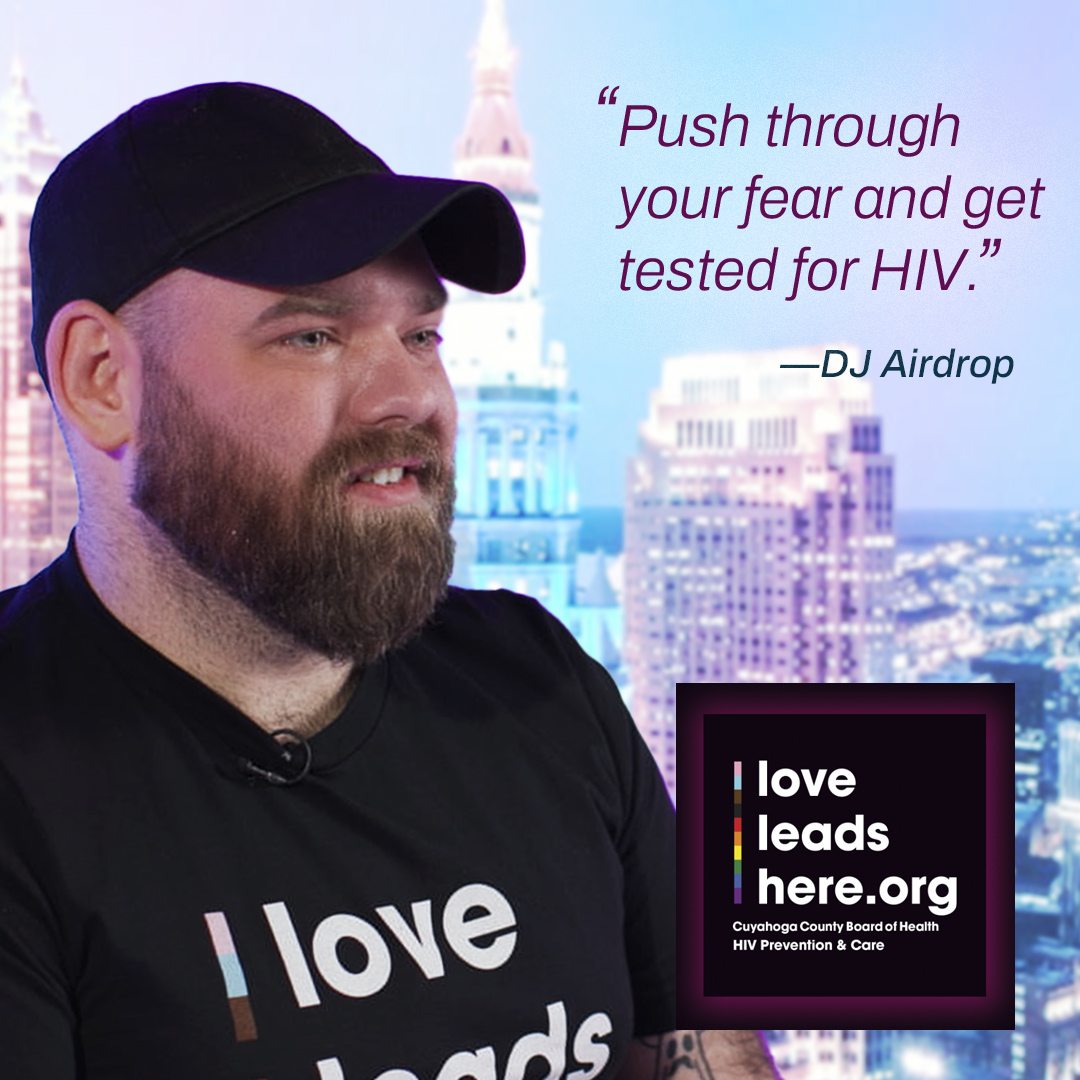
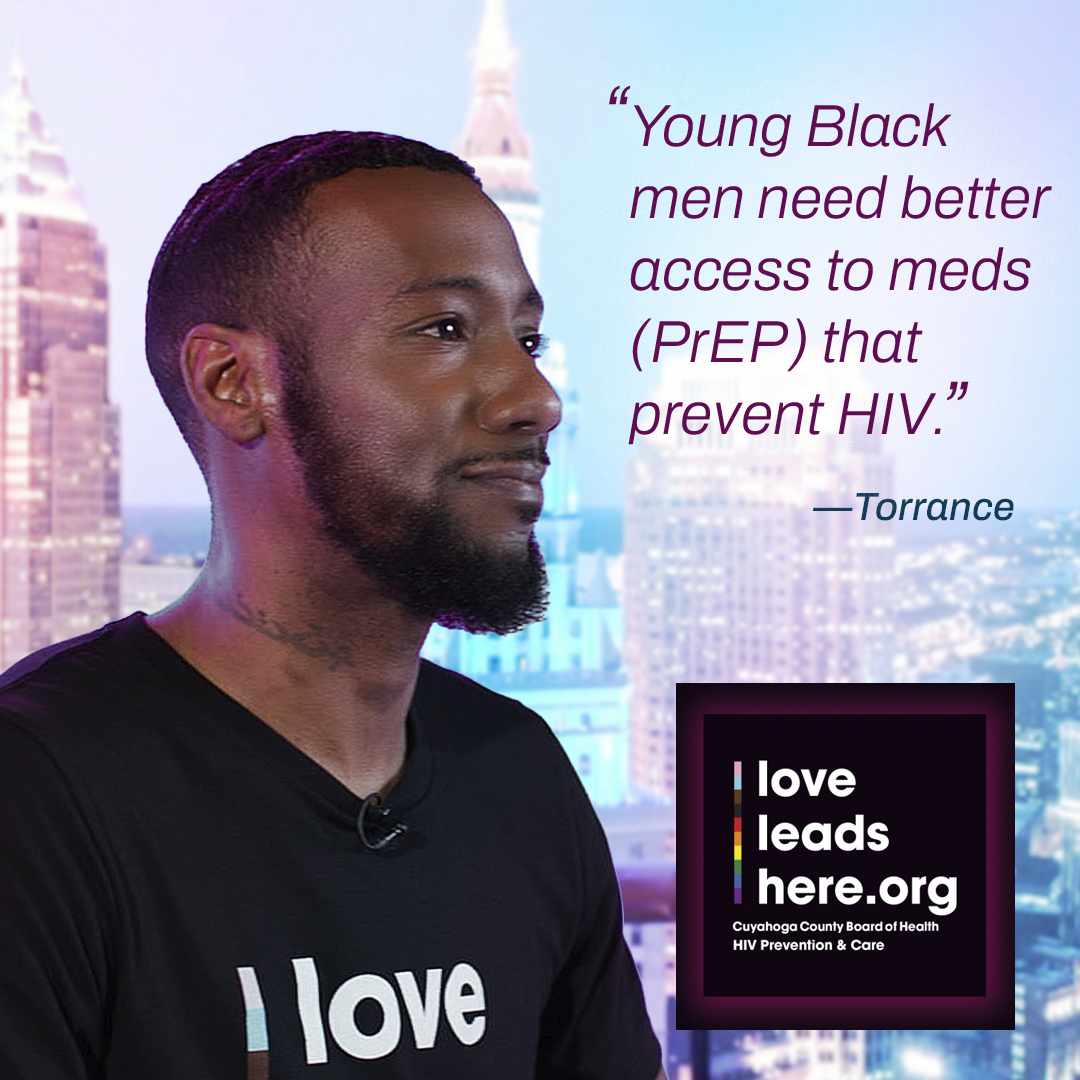
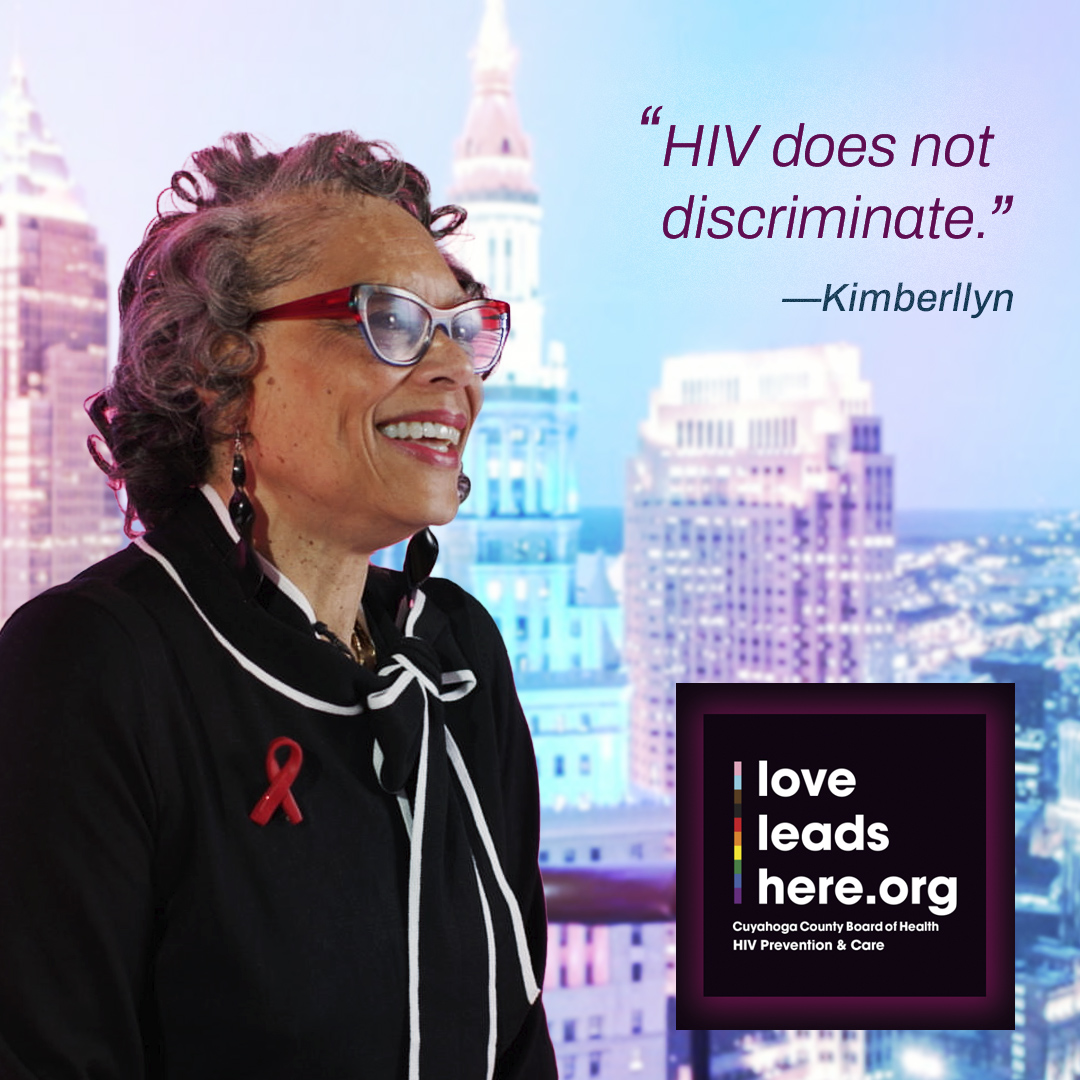
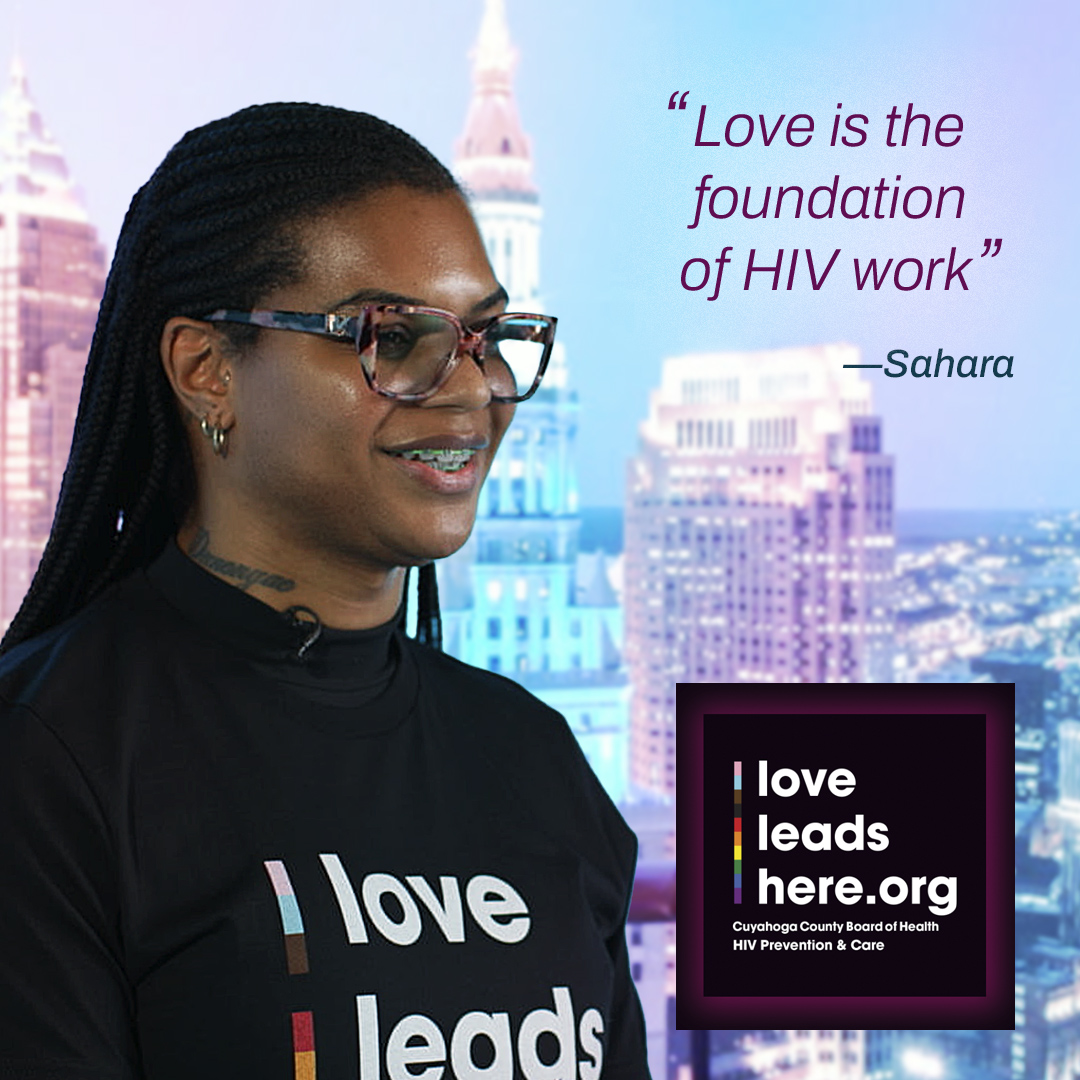
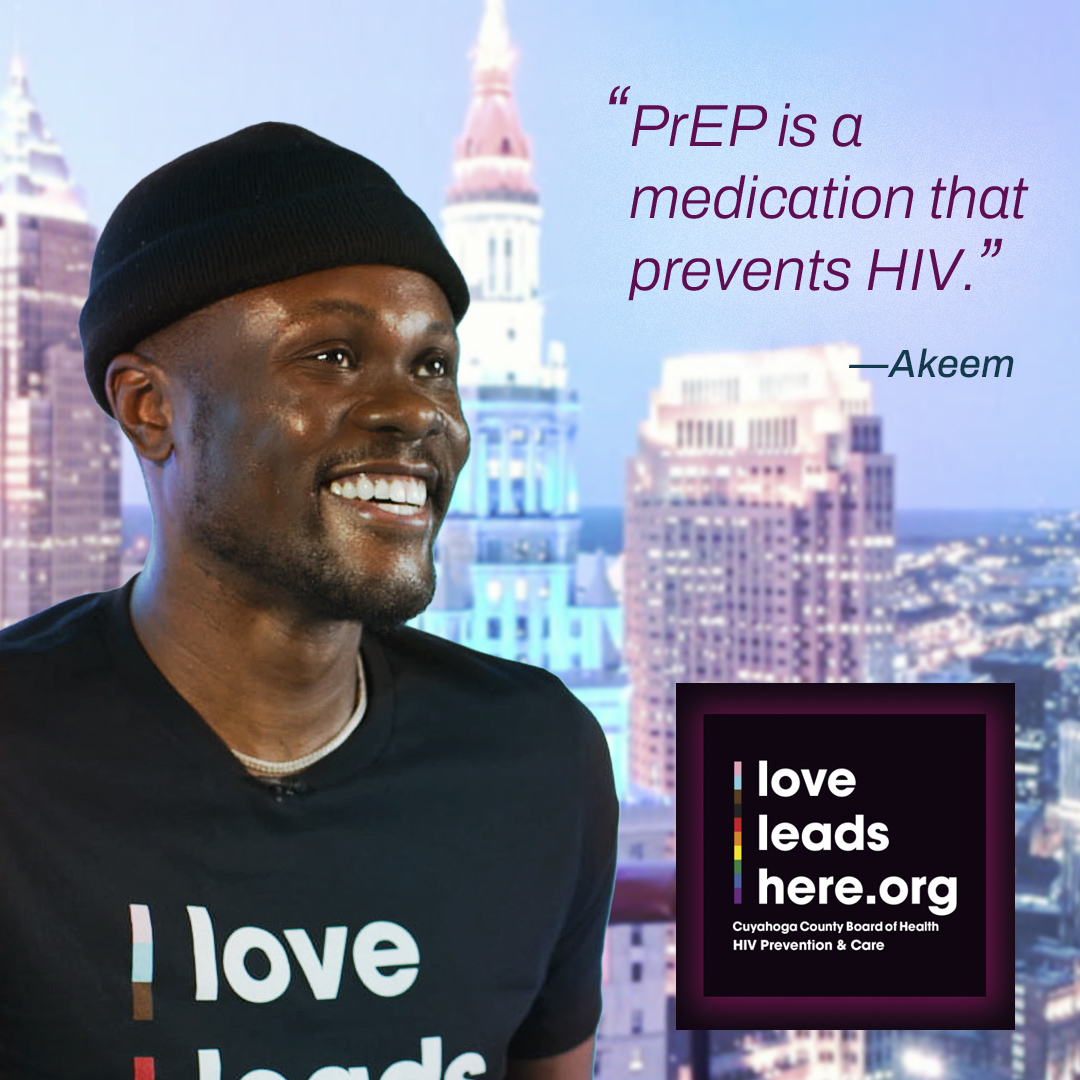
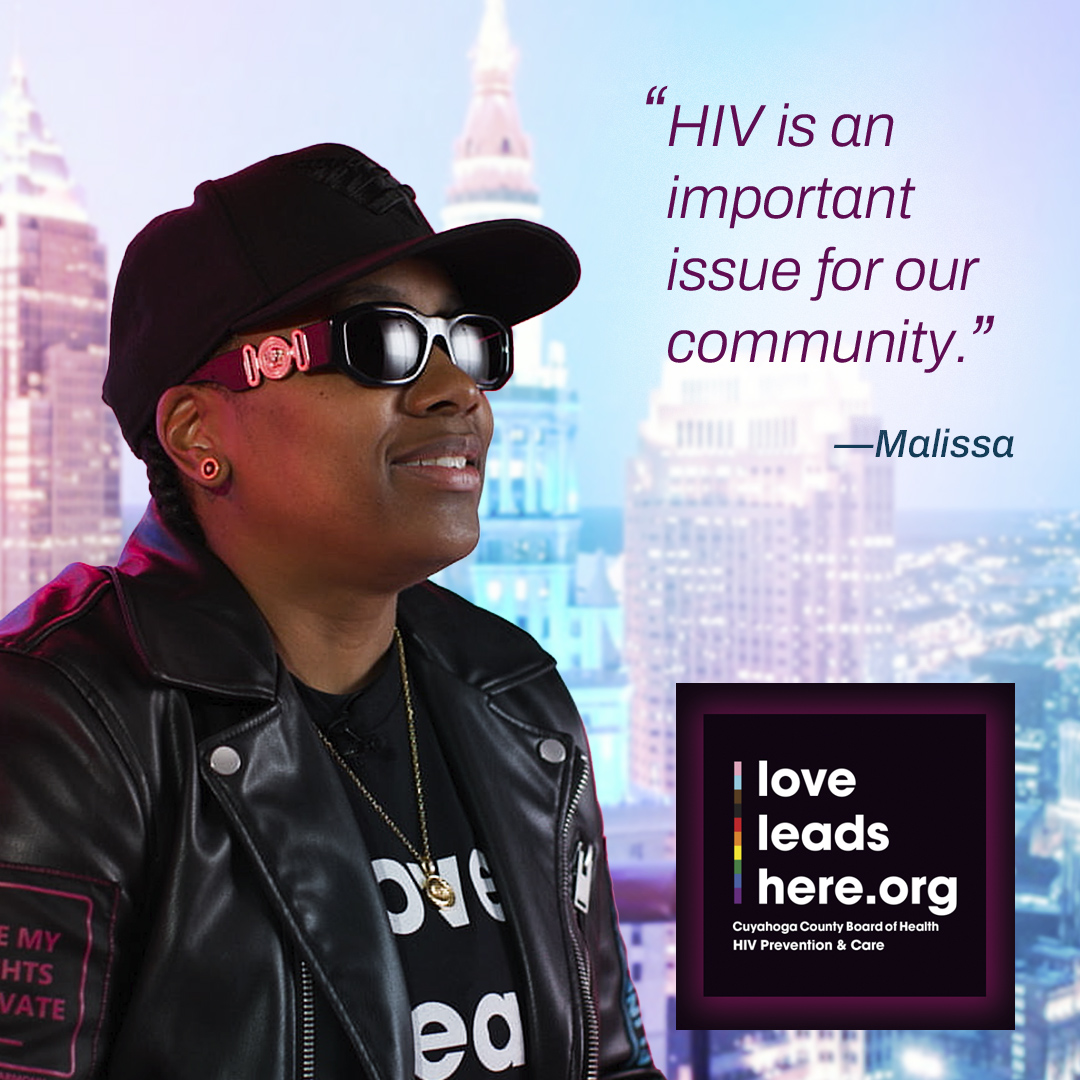
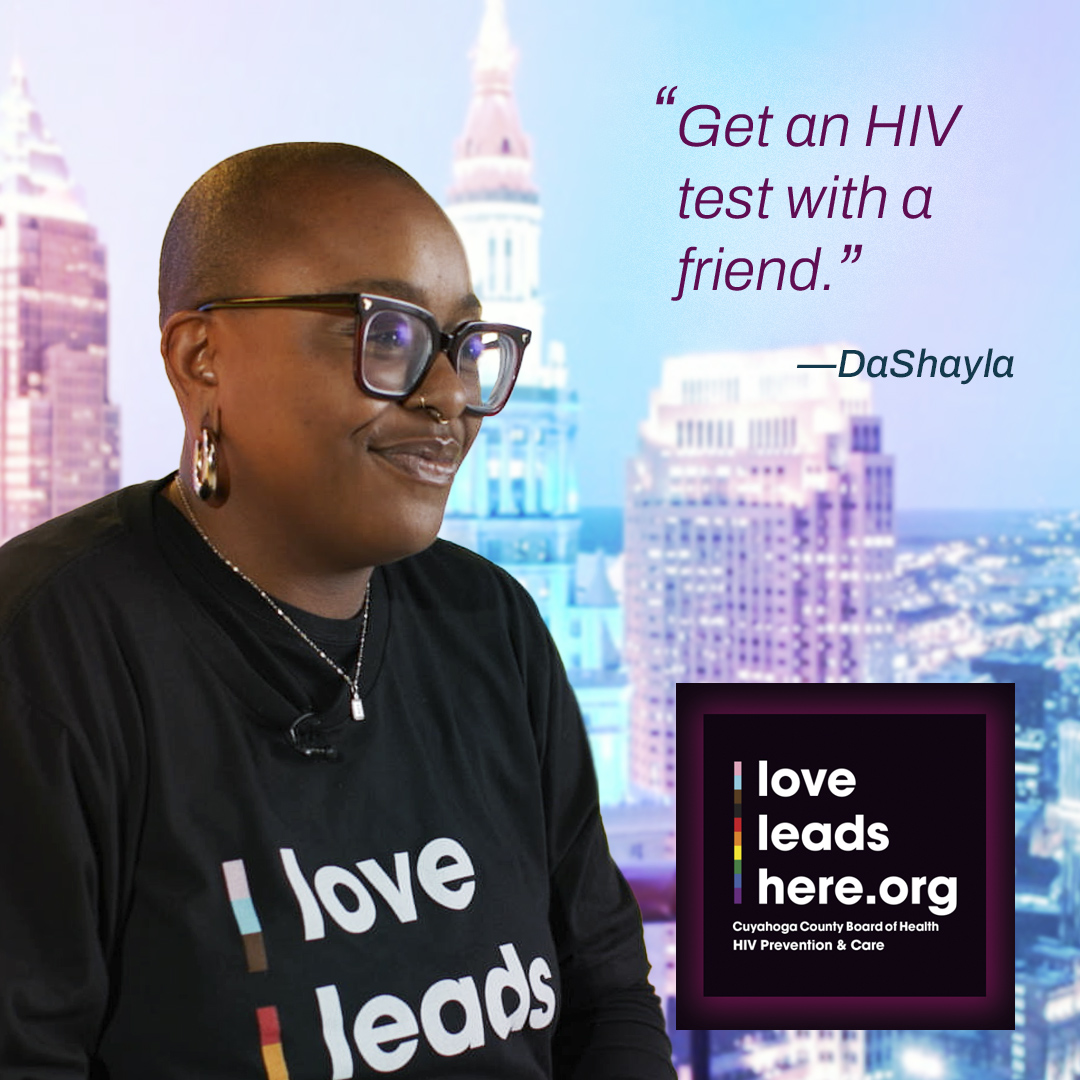
These community members are sharing their stories. Download and share these images on your social media to spread the word about Love Leads Here.
About Love Leads Here
Love Leads Here is Cuyahoga County Board of Health's initiative to end HIV in our community. We believe that everyone deserves access to information, testing, treatment, and support—regardless of sexual orientation, gender identity, income, or background.
Our Mission: To provide comprehensive, culturally affirming HIV prevention and treatment information to Cuyahoga County residents, with a focus on equity and community empowerment.
What We Offer:
- Information about HIV testing and where to get tested
- PrEP information and access resources
- Support and information for people living with HIV
- Syphilis awareness and testing resources
- Community resources and partnerships
- Stigma reduction and education
Why Love Leads Here? Because love for ourselves and each other means taking care of our health. When we look out for one another, get tested, take treatment, and support those around us, we create a community where HIV is no longer a death sentence—it's a manageable health condition.
Take Action: Get tested. Know your status. Explore PrEP. Support your community. Together, we can end HIV.